

Shehan Karunatilaka Partners with Education New Zealand to Inspire the Next Generation of Storytellers
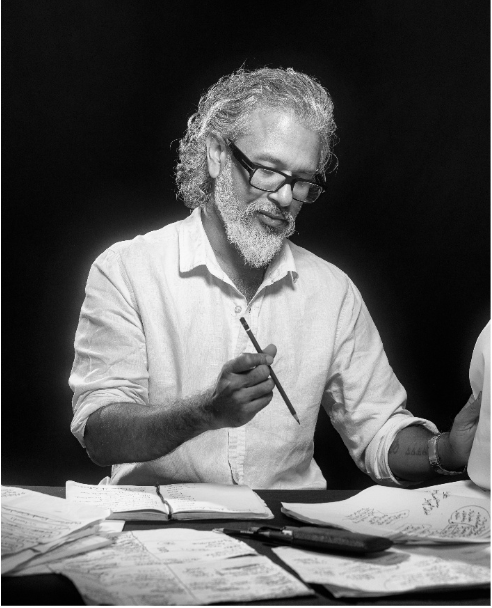
Shehan Karunatilaka. Photo credit: Newswire.
Education New Zealand Manapou ki te Ao (ENZ) is partnering with Booker Prize-winning Sri Lankan author Shehan Karunatilaka at the Colombo International Book Fair from 25 September to 4 October 2026.
The programme will bring together school and university students, aspiring writers, educators and readers for a series of literary engagements focused on storytelling, imagination and learning. It will also highlight the links between Sri Lankan literature, international education and the experiences of Sri Lankans who study, work and build creative careers overseas.
Karunatilaka will take part in conversations with students, share insights into his writing journey and lead a special creative writing workshop for winners of the Education New Zealand Short Story Challenge.

A celebrated Sri Lankan voice in global literature
Shehan Karunatilaka is best known for The Seven Moons of Maali Almeida, which won the 2022 Booker Prize. The Booker Prize is one of the world’s leading literary awards for fiction written in English, and the recognition placed Karunatilaka’s work before a wide international readership.
He is also the author of Chinaman: The Legend of Pradeep Mathew, which won the Commonwealth Prize. His writing has been translated into 36 languages and spans novels, short stories, children’s literature, journalism and screenwriting.
Karunatilaka’s work is recognised for its distinctive voice, imagination and ability to explore complex aspects of Sri Lankan life and history. His international success has also helped bring Sri Lankan culture and Sri Lankan literature to readers around the world.
As a New Zealand alumnus, Karunatilaka offers students a valuable example of how education, reading and creative practice can contribute to a global career. His connection with New Zealand is central to the partnership with ENZ.
> “I’ve been fortunate to learn from teachers, mentors and artists who helped shape my writing. This collaboration lets me share some experiences with young writers and encourage them to keep reading, creating and questioning. If they’re dedicated to their craft, they may well discover new voices and unearth new stories.”
Encouraging young people to read, write and question
The sessions at the Colombo International Book Fair are designed to give young people direct access to a successful author and practical insight into the creative process.
For aspiring writers, the programme will provide an opportunity to learn about developing ideas, finding a distinctive voice and remaining committed to the discipline of writing. For students who are still exploring their interests, the sessions can demonstrate how reading and storytelling support communication, curiosity and independent thought.
The partnership also reflects the wider role of literature in education. Reading allows young people to encounter different experiences and perspectives, while writing encourages them to organise ideas, communicate clearly and think critically.
Monika Chaudhary, Market Manager, Sri Lanka, at Education New Zealand, said:
> “Stories have a unique ability to expand horizons, build empathy and encourage us to see the world differently. Through our partnership with Shehan, we hope to encourage young people to read widely, think independently, express themselves creatively and discover the opportunities that learning can unlock.”

The value of a learner-centred education
Education New Zealand Manapou ki te Ao is the New Zealand Government agency responsible for building international education connections and promoting New Zealand as a study destination.
The name “Manapou ki te Ao” reflects the organisation’s focus on supporting learners and connecting education with the wider world. ENZ promotes an education experience that extends beyond academic achievement, with attention to creativity, cultural understanding, wellbeing, practical learning and global connection.
New Zealand’s learner-centred approach encourages students to question ideas, apply knowledge in real-world contexts and engage with different perspectives. These skills are increasingly important for young people preparing for further study, employment and participation in an interconnected world.
The Colombo programme presents these ideas through literature. A conversation with a published author can help students see how education connects with creativity and professional opportunities. It can also show that writing is not only a classroom activity, but a form of communication that can influence culture, public discussion and international understanding.
For Sri Lankan families considering international study options, the partnership provides a useful reminder that overseas education can include much more than formal qualifications. Students may also gain confidence, cultural awareness, professional networks and the ability to work across different communities.
A meaningful connection for Sri Lankan families overseas
The programme will be of interest to Sri Lankans in New Zealand, the United Kingdom, Canada and other parts of the diaspora who follow Sri Lankan writing and support educational opportunities for younger generations.
Many Sri Lankan families abroad place strong importance on maintaining a connection with language, history, literature and cultural identity. Internationally recognised writers such as Karunatilaka demonstrate how Sri Lankan experiences can become part of a global conversation without losing their local character.
His career also shows the value of crossing educational and cultural boundaries. A writer can draw on experiences from Sri Lanka, New Zealand and other parts of the world while continuing to produce work that speaks to readers across generations and countries.
For young people in the diaspora, this can be particularly encouraging. They may grow up with more than one cultural reference point and may sometimes feel that they must choose between different identities. Literature provides a way to bring those experiences together, develop a personal voice and communicate with a broad audience.

Literature as a bridge between cultures
The collaboration between ENZ and Karunatilaka also illustrates how literary events can support international education connections.
Book fairs create spaces where readers, writers, publishers, educators and institutions meet. They encourage conversations that extend beyond individual books and can introduce students to new subjects, destinations and future possibilities.
In this case, the Colombo International Book Fair will provide a setting for young people to explore storytelling while learning more about New Zealand’s approach to education. The programme connects a Sri Lankan author’s international experience with an organisation seeking to strengthen education links between New Zealand and the rest of the world.
For readers interested in Sri Lankan culture, the event also offers an opportunity to celebrate the continuing development of the country’s literary voice. Sri Lankan writing has a strong tradition of engaging with history, identity, politics, family, migration and social change. Contemporary authors are taking these themes to increasingly diverse international audiences.
Karunatilaka’s work forms an important part of that wider story. His success shows how a novel rooted in Sri Lankan experiences can achieve recognition in the global literary community.
Creative writing can open new opportunities
Creative writing helps young people develop skills that remain valuable well beyond the literary world. Planning a story requires structure and focus. Revising a draft demands patience and attention to detail. Presenting an idea requires confidence and clear communication.
Writing can also encourage empathy. By imagining lives and experiences different from their own, students learn to consider alternative viewpoints and understand the importance of context.
These qualities are relevant to education, employment and community life. They support students whether they later pursue careers in literature, journalism, technology, business, teaching, public service or the creative industries.
The special workshop for winners of the Education New Zealand Short Story Challenge will give selected young writers an opportunity to work directly with Karunatilaka. The experience may help them strengthen their craft and encourage them to continue reading and writing.

Dates: 25 September to 4 October 2026
Programme: Student conversations, literary engagements and a creative writing workshop
Featured author: Shehan Karunatilaka
Organisations involved: Education New Zealand Manapou ki te Ao and the Colombo International Book Fair
Readers interested in the programme are invited to follow announcements from Education New Zealand and the Colombo International Book Fair. Students and families considering study opportunities in New Zealand can find further information through the Education New Zealand website.
For more Sri Lankan community news, cultural features and international stories, readers can visit the eLanka website and explore the eLanka blog.
The partnership between Shehan Karunatilaka and Education New Zealand places storytelling at the centre of a wider conversation about learning, creativity and global opportunity. As students meet an internationally recognised Sri Lankan author, they will be encouraged not only to read and write, but also to question, imagine and discover their own voices.
Reported by Newswire, 23 September 2026.
Original source: Finding their voice: Education New Zealand Manapou ki te Ao and Shehan Karunatilaka inspire the next generation of storytellers
At eLanka, we respect the rights of creators. If we have used an image you own and you’d like it removed, please email us at info@elanka.com.au and we’ll handle it promptly.
Thanks.
eLanka team


