

Diplomatic thaw in Middle East sparks hope for Sri Lankan tea exports-By Sanath Nanayakkare
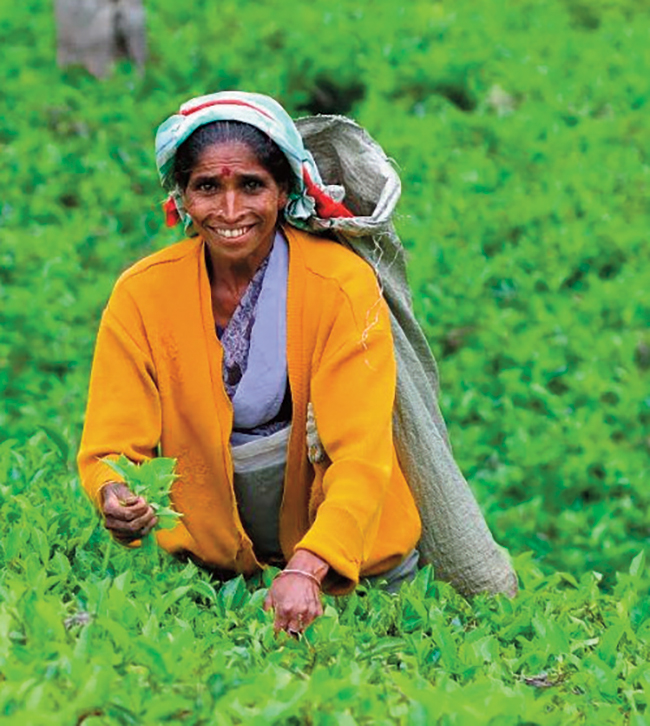
Iran and the Middle East are important markets for Sri Lankan tea
Amid softening diplomatic rhetoric between the United States and Iran, a senior economist told The Island Financial Review yesterday that the stability of Sri Lanka’s tea exports to the Middle East, particularly Iran, would be maintained.
The economist, who closely follows regional developments, pointed to recent statements by Iranian Foreign Minister Abbas Araghchi and U.S. President Donald Trump as signs of de-escalation. Araghchi denied plans to execute anti-government protesters, while Trump indicated he had received assurances that killings had stopped and that the U.S. was “watching the process.”
“When geopolitical tensions ease, trade channels stabilise,” the economist said. “Iran and the Middle East are important markets for Sri Lankan tea. Any reduction in political risk is likely to support demand and reduce vulnerability in our export earnings,” he added.
The comments come against the backdrop of this week’s Colombo tea auction, where offerings totalled 6.0 million kilograms. The auction report noted “less activity from Iran and the Middle Eastern markets following recent restrictions in trading conditions,” reflecting the sensitivity of tea exports to regional instability.
Western Slopes and Nuwara Eliya teas showed mixed trends, with some grades firm and others declining. High and Medium Grown CTC teas sold around previous levels, while Low Grown varieties were easier by up to Rs. 20 per kg. Ex-Estate offerings remained steady at 0.74 million kilograms, with no significant change in quality, according to Forbes and Walker Research.
Low Growns, which accounted for approximately 2.4 million kilograms, saw varied demand: the Leafy category was quieter, while Semi-Leafy met with fair interest. Tippy teas faced pressure, especially in the Premium catalogue, where a lack of suitable bids left many unsold.
Selective demand was noted from shippers to the UK, Europe, and South Africa, while markets in Japan, China, the Middle East, and the CIS were reasonably active mostly at lower levels, Forbes and Walker said.
The economist added that while global tea markets remain volatile, any sustained calm in the Middle East could help restore buyer confidence from Iran – a key destination for Sri Lankan Orthodox teas.
“We are not out of the woods yet, but the signs are encouraging,” he said. “If the diplomatic tone continues to improve, we could see firmer demand from the region in the coming weeks,” he said.


